The Summer School 2026 provided a focused overview of state-of-the-art concepts addressing key challenges in the decarbonization of the chemical sector. Electrochemical processes were highlighted as a cornerstone to this transition, as they enable the sustainable production of platform and high-value products by using renewable energy sources. Their opportunities and limitations have been critically discussed in direct comparison with established thermal catalysis approaches. Within this framework, the program explored (catalytic) electrolysis and electrosynthesis routes based on abundant feedstocks such as H₂O, CO₂, N₂, nitrate as well as more complex organic precursors. Particular emphasis was placed on broadening the perspective beyond cathodic reactions to include anodic transformations, with a focus on integrated electrochemical systems that simultaneously generate high-value products on both electrodes - for example through biomass or plastic valorization at the anode.
The scientific lectures were complemented by discussions on reactor and electrolyzer design, operational stability under industrially relevant conditions, challenges in standardizing testing protocols, and recent advances in FAIR-compliant data processing and storage.
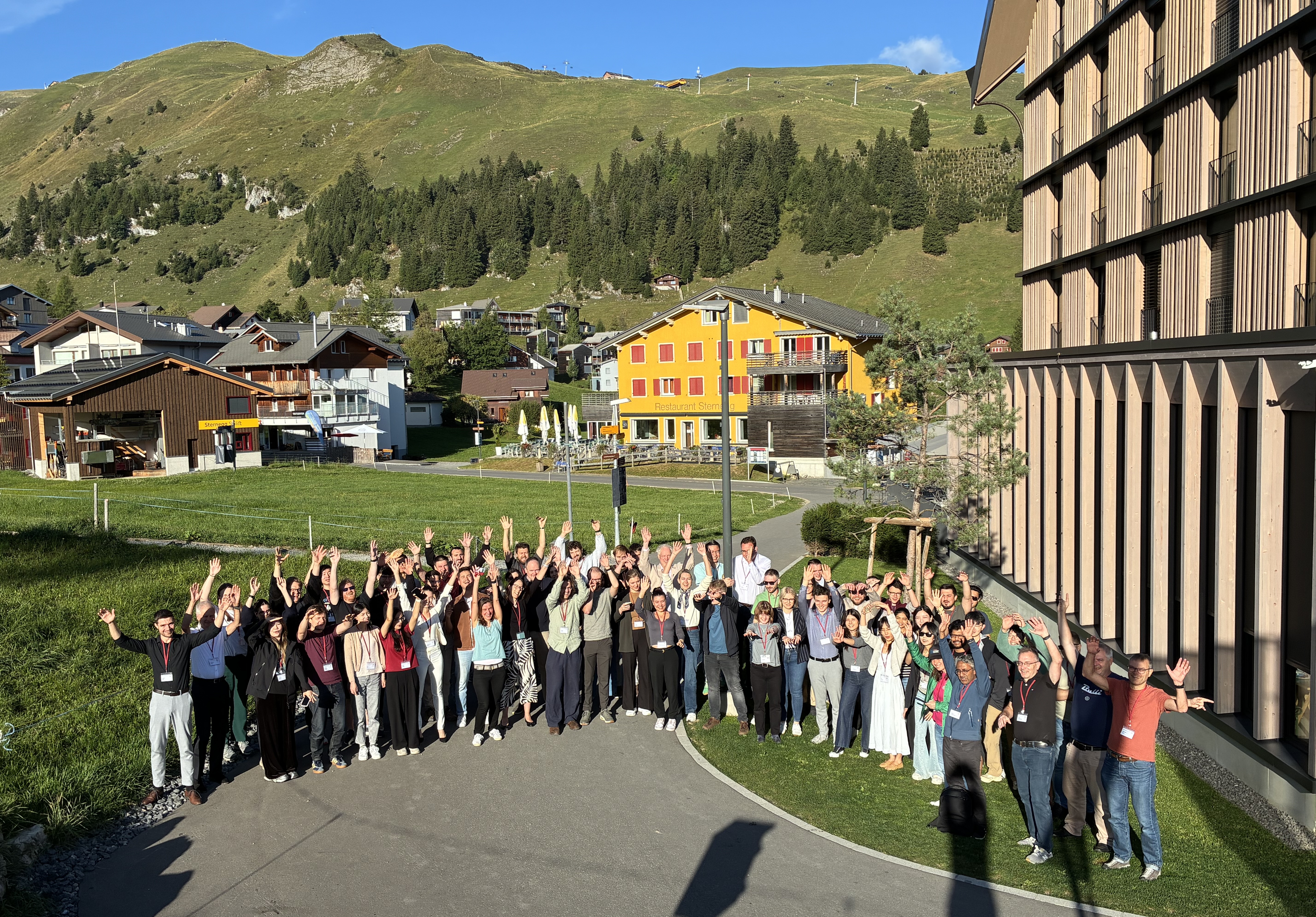
Speakers from leading academic institutions, including collaborative research centers (NCCR Catalysis, CHEAC, ETOS, GETCO2), as well as industry, reported on recent progress and emerging trends in their fields. The Summer School also offered ample opportunities for discussion and exchange among participants and lecturers.